
During the Covid pandemic, we learned how to swab our own noses. Since then, at-home diagnostics have gone mainstream. Companies like Cologuard and FIT kit provide mail-in stool tests that are approved by the Food and Drug Administration; there are also at-home tests for chlamydia (opens in new tab), gonorrhea (opens in new tab), and HIV (opens in new tab).
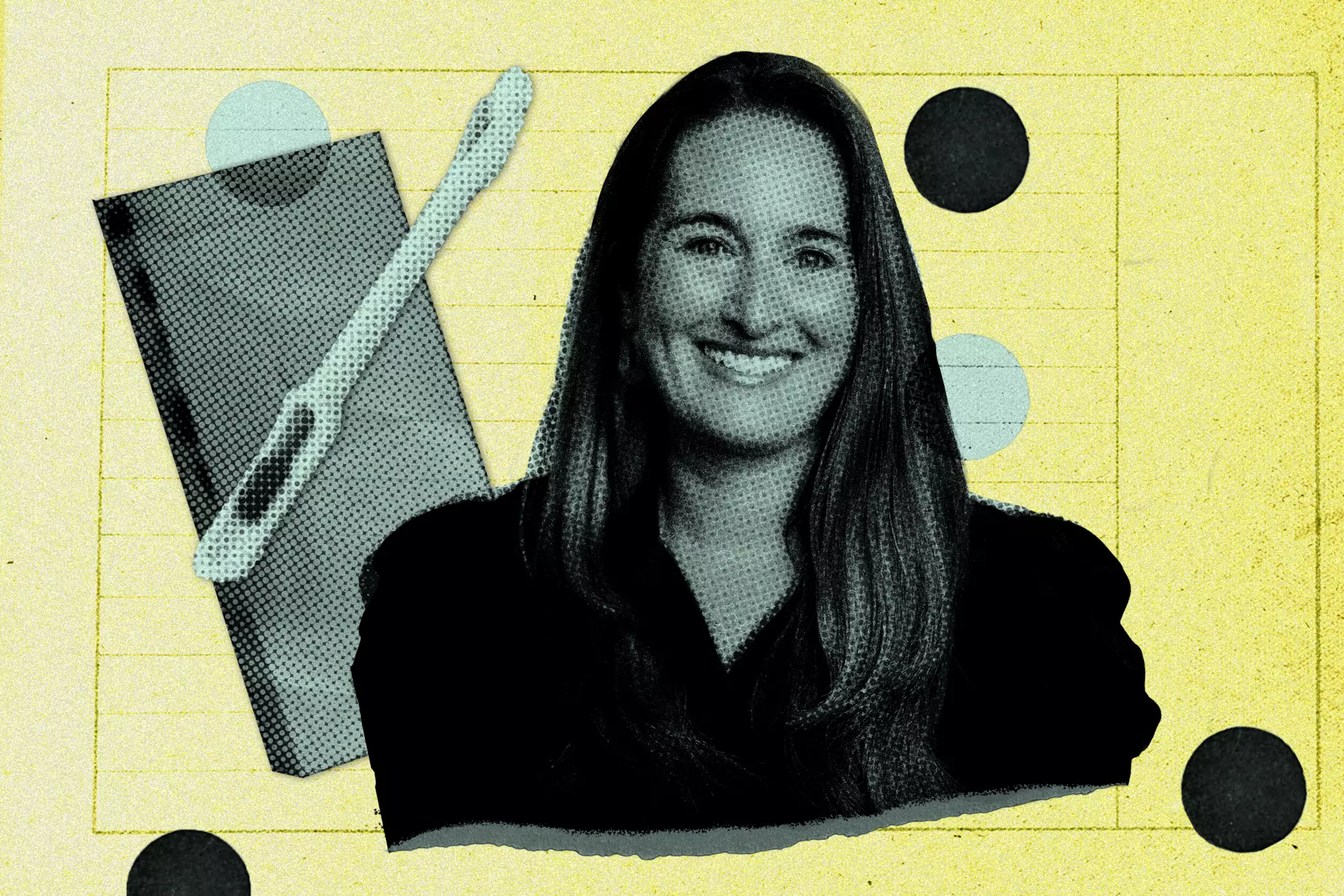
Now women can screen themselves for HPV, a virus that is the main cause of cervical cancer, as opposed to waiting for their annual Pap smear in a doctor’s office, thanks to Kara Egan, a health-tech investor turned CEO. Egan, who lives in San Francisco, cofounded Teal Health (opens in new tab), which this year launched the first at-home, FDA-approved cervical cancer screening test.
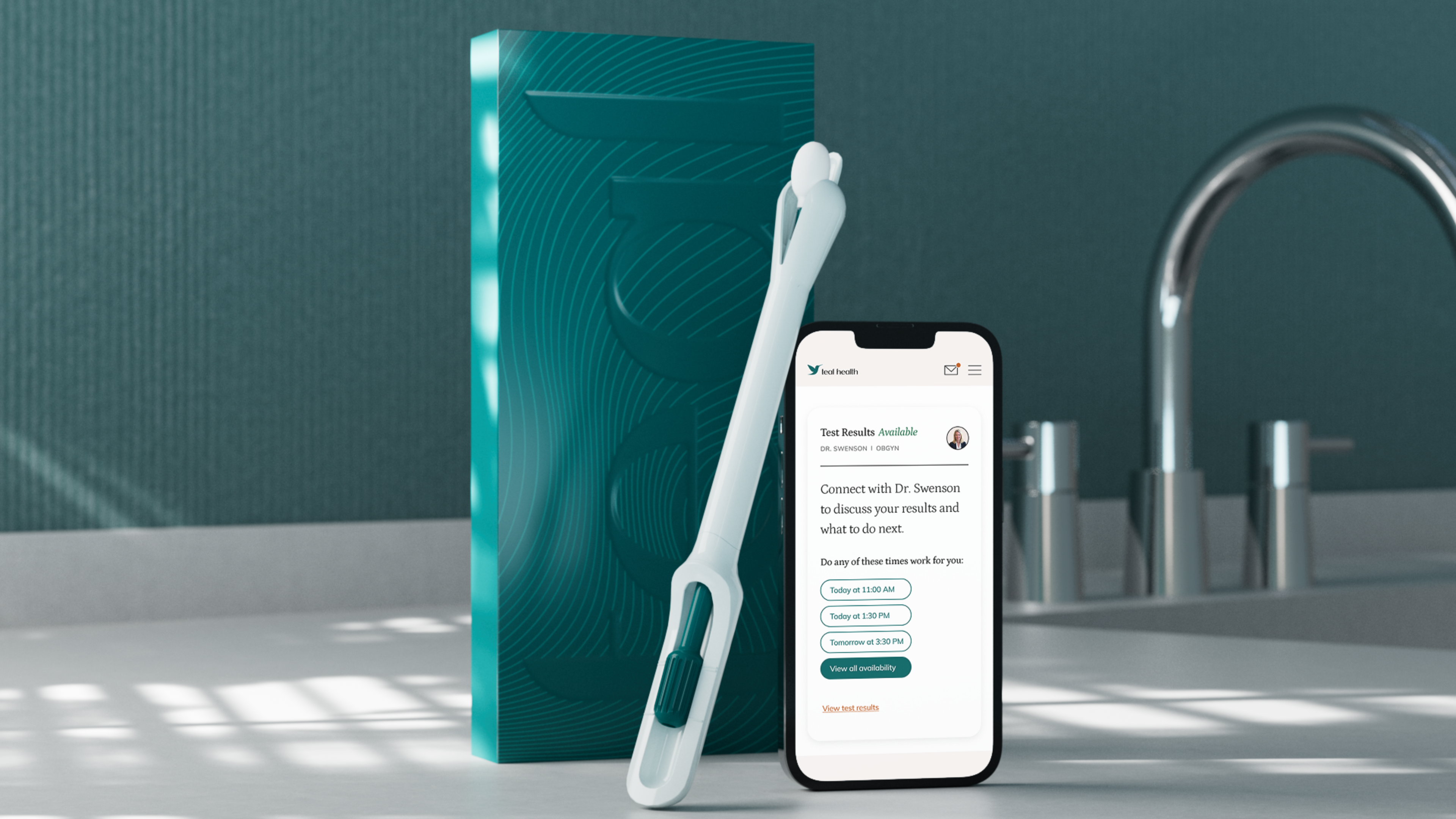
Teal Health, which is based in the Presidio and has a staff of 15, began shipping the tests, which are manufactured outside of Sacramento, in August. At first they were available only in California, but the company has expanded to serve 11 states. The kits cost $249 (insurance can bring the price to $99) and contain the company’s patented self-collection wand, which looks like a cross between a Dyson Airwrap and a speculum. Women swab themselves with the Teal Wand and mail in the collection for testing. The company validated accuracy with a 600 person 16-site clinical trial that ran last year.
Teal Health is an outlier in the tech industry, which has often treated women’s needs as niche or not worth funding. Between 2018 and 2023, only four women’s healthcare startups made it to IPO (opens in new tab) out of 35 exits (the rest were mergers). Investors sideline this space when allocating capital. In 2020, women’s health research accounted for 10.8% (opens in new tab)of the National Institutes of Health budget.A 2024 McKinsey analysis (opens in new tab) estimated that just 1% of healthcare research funding goes to female health, outside of cancer, despite women driving the majority of healthcare spending.
Egan knew this data gap acutely as a former investor at .406 Ventures and Emergence Capital. In 2020 she left the VC world to found Teal Health with Stanford radiologist Dr. Avnesh Thakor. The duo based the Teal Wand on Thakor’s self-collection prototype.
Egan tapped her contacts to raise $23 million for the company; investors include Chelsea Clinton and Emerson Collective. The company received a $1.68 million SBIR grant from the National Cancer Institute to support development and clinical validation of the Teal Wand.
We checked in with Egan to learn more about the world’s first FDA-approved home Pap test.
Why is self-screening important?
There are 92 million women (opens in new tab) who are supposed to be screened for cervical cancer, and nearly every woman has a known and hated Pap smear experience. We’re seeing a massive shortage of providers, and so we need to find better ways to leverage technology to increase screening and access. A third of women are behind on their cervical cancer screen. Women do want to be healthy, they want to be engaged — they just need an option that works for them.
How does the at-home test work?
There’s no battery. The wand just snaps together. There are gloves if you want to use them. There’s a video. You put it in like a tampon and just rotate it 10 times. The idea is that you actually insert it until you meet your back wall, which is where your cervix is, and that’s where you extend and rotate. Then you pop the [end] off and place it in the provided vial and mail it back to us.
The nice part about Teal is you really can do it single-handed, which makes it more accessible for people. Our certified lab tests for 14 types of high-risk HPV, the exact same tests as the doctor’s office, and we get the exact same results as if the clinician had done it.
Can people mess it up at home?
In our 2024 clinical trial, about 2% did not collect an adequate sample. In that case, we would just mail you another kit. Anecdotally, 80% of women in our clinical trial said [they wanted a home test], which is very abnormal for a clinical trial. It just spoke to the fact that women wanted a better way.
What are you looking for in the lab?
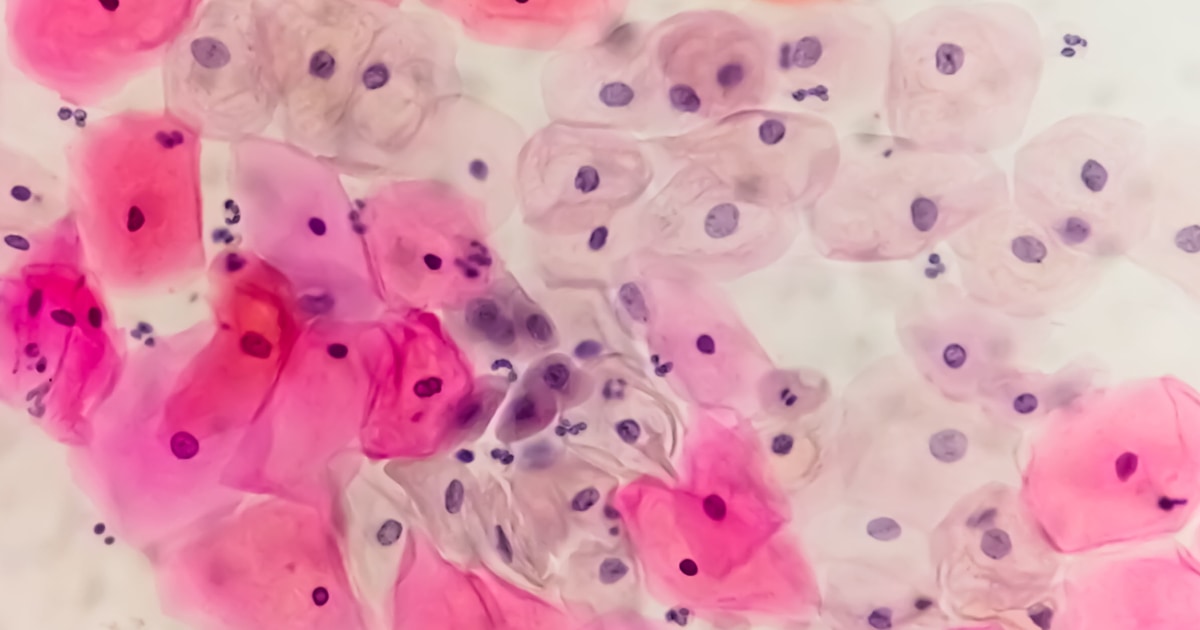
What we detect is HPV, the viral load. It’s detecting pre-cancer. It’s putting you down the screening path or the triage path. If we actually all screen appropriately, we could eliminate cervical cancer entirely.
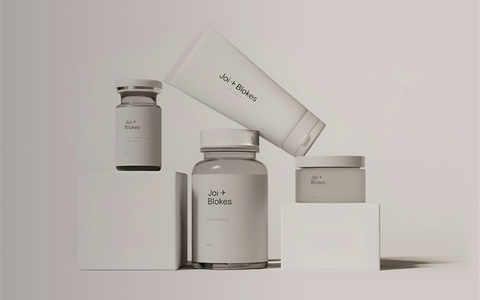
Opening the package feels more like a Sephora unboxing than unwrapping a medical tool.
It does have that premium consumer vibe. It needs to be for the masses, but it can still be premium. A beautiful box isn’t cost-prohibitive. Spending the time to get the colors right takes time, but once you have that right, it’s easy to scale.
The device is covered by insurers that include Cigna, Aetna, Anthem Blue Cross, Blue Cross Blue Shield, and United. Was it hard to get them to cover it?
No. Three of the largest insurers came proactively to us, even ahead of the FDA, and were like, when is this coming? How will this be covered? How do we roll it out?
Do you use AI to provide patients with medical advice?
No. It’s too new. The person answering our FAQs is either our medical sociologist or OB-GYN.
Now that Teal has shipped, what’s the end game? More products, more customers, or something bigger?
We want more cervical cancer screening awareness. We’re focused on partnerships, working with provider groups to refer it to their health systems. We have a couple of pilots being kicked off with different payers or provider groups. We want to really understand the different markets, especially those that tend to be underscreened and lack access. We want to see how we can make sure we increase screening there, too.
I think you’ll see us be a part of policy, be a champion for other healthcare innovations in the system to make sure women know what’s available to them. In the future, we’re hoping to guide women to all the ways they can stay up to date in their preventive care.